What're your beliefs about The Issue With Tree Roots and Plumbing Systems?
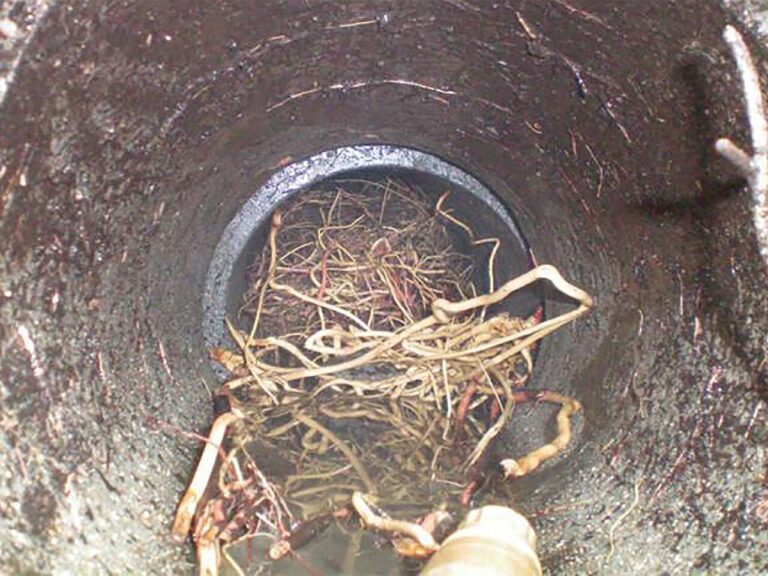
Tree roots are a covert yet substantial threat to your pipes system. While trees enhance the appeal of your yard and supply color, their origins can wreak havoc on below ground pipelines, resulting in obstructions, leaks, and expensive fixings. Comprehending exactly how to avoid tree origins from harming your plumbing is necessary for maintaining a healthy and reliable system. This post explores efficient strategies to protect your plumbing while protecting the charm of your landscape.
Understand the Issue: Just How Tree Beginnings Damages Pipes
Tree origins naturally seek out dampness and nutrients, which makes your below ground pipes an appealing target. Small splits or loose joints in pipelines release wetness, attracting roots that penetrate with these openings. Over time, the roots enlarge, causing obstructions, pipeline breaks, and even full system failing.
Usual indicators of root invasion consist of:
Early detection and positive procedures are vital to stop costly damage.
Select the Right Trees for Your Landscape
When planting trees near your home, go with varieties with much less aggressive root systems. Some trees are notorious for their intrusive origins, such as willows, poplars, and silver maples. Instead, think about planting trees with non-invasive origins, like:
In addition, plant trees at a risk-free distance from your pipes system. As a basic policy, plant trees a minimum of as far away from your home as their fully grown elevation.
Use Origin Barriers.
Mounting physical root barriers is a reliable way to shield your plumbing. These obstacles create a barrier in between the tree roots and your pipes, routing roots to expand much deeper or away from the plumbing. Root barriers are generally made from sturdy products like plastic or metal and ought to be set up by a specialist to ensure maximum efficiency.
Consistently Inspect and Preserve Your Pipes.
Regular plumbing evaluations can determine prospective issues before they escalate. A professional plumbing technician can utilize sophisticated techniques like video pipe inspections to spot root breach or various other susceptabilities in your system. Arranging evaluations yearly or semi-annually is especially crucial if your home is bordered by fully grown trees.
Regular upkeep, such as hydro jetting or drainpipe cleansing, can likewise help maintain your pipes clear and lower the possibilities of root-related blockages.
Fixing Cracked or Damaged Pipeline.
Tree origins are more likely to attack pipes that are currently compromised. If your plumbing has splits, loosened joints, or other weak points, it's essential to repair these concerns immediately. Modern pipeline fixing methods, such as pipeline relining, can secure cracks and create a smooth indoor surface area that is resistant to root infiltration.
Consider Utilizing Root-Repellent Products.
Chemical origin repellents can be an efficient deterrent for tree origins. These products produce a barrier around your pipelines, avoiding roots from expanding near them. Typically used origin repellents consist of copper sulfate and potassium hydroxide. However, these chemicals need to be used meticulously, as incorrect usage can hurt nearby plants and the atmosphere.
Install a Trenchless Sewer Line.
If your plumbing system is older or especially vulnerable to root damage, upgrading to a trenchless sewage system line may be a beneficial investment. Trenchless systems make use of modern products that are much more immune to root intrusion and can be mounted with marginal interruption to your landscaping. While this option needs an upfront price, it can save money on repairs and upkeep over time.
Water Trees Strategically.
Tree origins typically attack plumbing because they are looking for water. Supplying your trees with ample water via appropriate irrigation can reduce the possibility of origins seeking dampness from your pipes. Use drip watering systems to guarantee deep and also sprinkling, motivating roots to grow downwards instead of in the direction of your plumbing.
Inform Yourself Concerning Your Home's Plumbing Layout.
Recognizing where your plumbing pipes are located is crucial for effective avoidance. Prior to planting new trees or landscaping, seek advice from an expert to map out your underground energies. This details will certainly help you plan your landscaping efforts and avoid planting trees also near to susceptible locations.
Look For Expert Help for Severe Concerns.
If tree origins have currently infiltrated your pipes system, it's crucial to deal with the issue without delay. Expert plumbing technicians have the tools and knowledge to get rid of root blockages without damaging your pipes. Strategies like hydro jetting, mechanical root elimination, or pipeline relining can properly restore your pipes to ideal problem.
Conclusion
Avoiding tree roots from harming your plumbing calls for a mix of strategic planning, normal maintenance, and expert assistance. By choosing the right trees, mounting origin obstacles, and keeping your pipes system, you can appreciate the elegance of your landscape without endangering the wellness of your pipelines. Taking aggressive steps today will certainly save you from costly repairs and guarantee your plumbing continues to be in superb condition for several years ahead.
How To Keep Tree Roots From Wrecking Your Sewer Line
Determine if you have trees near a sewer line
Houses are required to have sewer clean out caps in 2 places. These are typically either white PVC or Black ABS pipes sticking out of the ground or sometimes in a recessed box in the lawn. One should be within a few feet of your foundation wall and the other should be within 13 feet of the curb. In most cases the pipe will travel underground this general line of sight.
Get your sewer line inspected
Now that you know a tree is near the sewer line, you need to see if roots have invaded.
The best way to do this: Get a professional plumber to inspect the sewer line using a camera probe.
While you could wait to get the inspection until you notice the signs of a sewer line break, getting the inspection now will nip problems in the bud and possibly save you thousands of dollars.
Remove roots and repair as needed
Cutting up the roots in the pipe using a hydro cutter or a powered sewer auger.
Killing off the root structure by using chemicals to temporarily stop their growth. One option is Root-X, a herbicide that can:
Penetrate the roots, killing them on contact.
Stick to the pipe walls, preventing re-growth for up to three years.
Repairing the sewer pipe as needed. Mr. Plumber uses a No Dig technology that makes repairing sewer pipes easy and non-invasive, so you don t have to destroy your landscape. https://www.mrplumberatlanta.com/help-guides/how-to-keep-tree-roots-from-wrecking-your-sewer-line
How To Keep Tree Roots From Wrecking Your Sewer Line
Determine if you have trees near a sewer line
Houses are required to have sewer clean out caps in 2 places. These are typically either white PVC or Black ABS pipes sticking out of the ground or sometimes in a recessed box in the lawn. One should be within a few feet of your foundation wall and the other should be within 13 feet of the curb. In most cases the pipe will travel underground this general line of sight.
Get your sewer line inspected
Now that you know a tree is near the sewer line, you need to see if roots have invaded.
The best way to do this: Get a professional plumber to inspect the sewer line using a camera probe.
While you could wait to get the inspection until you notice the signs of a sewer line break, getting the inspection now will nip problems in the bud and possibly save you thousands of dollars.
Remove roots and repair as needed
https://www.mrplumberatlanta.com/help-guides/how-to-keep-tree-roots-from-wrecking-your-sewer-line
I stumbled upon that write up on How to Keep Trees from Ruining Your Plumbing while doing a lookup on the search engines. Kindly pause to distribute this page if you enjoyed it. Thanks a lot for your time. Come back soon.